
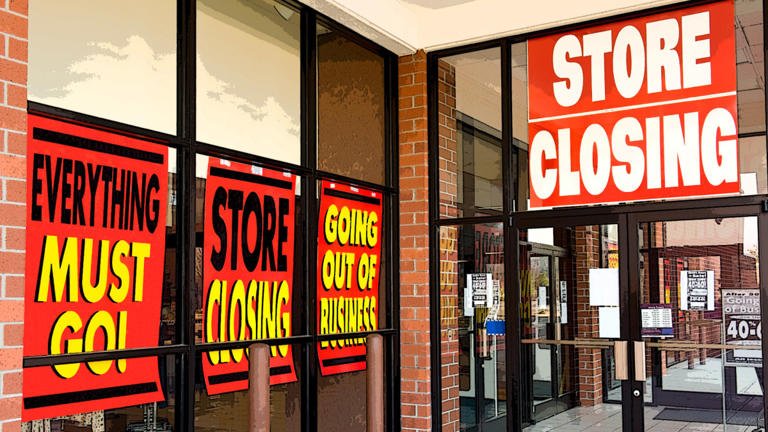
The phrase Home Depot Rival Closing has been making headlines across the retail and home improvement industry. Shoppers are asking questions. Employees are worried. Investors are watching closely. When a major competitor in the home improvement retail space shuts down stores or exits the market, it sends shockwaves through the entire industry.
In this in-depth guide, we will break down what a Home Depot rival closing really means. You will discover why stores are shutting their doors, how it impacts customers and workers, and what it signals about the future of brick-and-mortar retail. We will also explore market trends, expert insights, and what this means for companies like Home Depot, Lowe’s, and other major players. By the end, you will understand the bigger picture — not just the headlines.
Why Is a Home Depot Rival Closing?
A Home Depot rival closing rarely happens overnight. It usually reflects deeper economic and structural issues within the retail industry.
Several factors often contribute:
- Rising operational costs
- Supply chain disruption
- Declining foot traffic
- E-commerce competition
- Shifts in consumer spending
In recent years, inflation and higher borrowing costs have hurt the home renovation market. During the pandemic, home improvement spending surged. People renovated kitchens, upgraded gardens, and built home offices. But as interest rates increased and housing slowed, demand cooled significantly.
Retail experts explain that when margins tighten, weaker competitors struggle to survive. A rival closing may not always mean bankruptcy. Sometimes it involves strategic downsizing, restructuring, or rebranding.
For consumers, this change can feel sudden. But for analysts, it often signals a longer-term shift in the DIY market trends.
The Economic Pressures Behind Store Closures
Economic pressure is one of the biggest drivers behind any Home Depot rival closing. The home improvement industry depends heavily on housing activity.
When fewer homes are built or sold, demand for:
- Lumber
- Tools
- Flooring
- Appliances
also drops.
Higher mortgage rates reduce renovation spending. Contractors scale back projects. This reduces bulk purchases from retail chains.
Additionally, wages and rent have increased significantly. Large warehouse stores require massive space and staffing. If revenue declines, maintaining these costs becomes unsustainable.
Many retailers also expanded aggressively during high-growth years. Overexpansion can backfire when economic conditions shift. That is often when we see store closures and retail restructuring strategies unfold.
How the Closure Impacts Customers
A Home Depot rival closing changes shopping patterns quickly. Customers lose a familiar location. Loyalty programs disappear. Price competition may decline in some regions.
Here is what shoppers often experience:
- Reduced local competition
- Possible price increases
- Fewer promotional discounts
- Limited product variety
However, it is not all negative. Sometimes larger competitors step in to fill the gap. For example, if a regional chain exits, customers may shift to Home Depot or Lowe’s, increasing inventory options at those stores.
Some areas also see liquidation sales. These short-term discounts can benefit customers looking for tools, appliances, or building supplies at lower prices.
In the long term, though, reduced competition can impact overall consumer pricing trends.
What Happens to Employees?
Store closures often mean layoffs. This is one of the most difficult consequences of a Home Depot rival closing.
Employees may face:
- Immediate job loss
- Relocation offers
- Reduced hours
- Severance packages
Retail workers are often hourly employees. Sudden closures can disrupt families and local economies. In communities where a store employs hundreds of workers, the impact is significant.
Some workers may find opportunities at competitors. Larger chains sometimes hire displaced employees because they already understand retail operations management and customer service.
Still, job transitions are not always immediate. This creates uncertainty and stress.
Market Share Shifts in the Home Improvement Industry
When a competitor closes, market share does not disappear. It gets redistributed.
In most cases:
- Dominant players gain more sales
- Online retailers strengthen their position
- Regional chains attempt to expand
Historically, when smaller chains struggled, companies like Home Depot and Lowe’s absorbed much of the customer base.
Here is a simplified look at how market share may shift:
| Scenario | Likely Outcome |
| Regional chain closes | National brands gain customers |
| National chain downsizes | Online retailers benefit |
| Bankruptcy liquidation | Short-term discount surge |
The retail consolidation trend has accelerated in recent years. Fewer big players dominate larger portions of the market.
The Rise of E-Commerce in Home Improvement
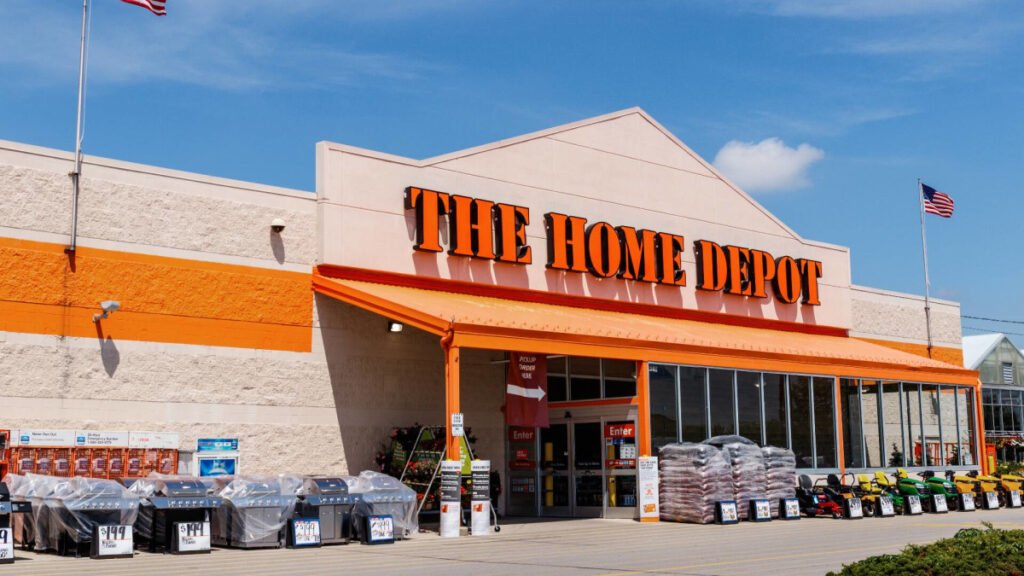
Another major reason behind a Home Depot rival closing is the growth of online shopping platforms.
Consumers now expect:
- Same-day delivery
- Click-and-collect options
- Real-time inventory tracking
Retailers that fail to invest in digital transformation often fall behind.
E-commerce giants have made it easier to buy tools and home goods online. Even traditional players like Home Depot and Lowe’s have heavily expanded their omnichannel retail strategy.
Stores that rely solely on in-person sales struggle to compete in this environment.
This shift is not temporary. It represents a permanent change in how customers shop.
Expert Insights on Retail Closures
Retail analysts say closures often signal a necessary market correction. According to industry consultants, the home improvement sector remains strong long-term, but weaker operators are being filtered out.
Key expert observations include:
- Demand remains stable for essential repairs
- Luxury renovations fluctuate with economic cycles
- Digital integration is no longer optional
Experts also highlight that housing inventory shortages may eventually boost renovation demand again. When fewer new homes are built, homeowners invest in upgrades instead.
This suggests that while a Home Depot rival closing may feel dramatic, it does not mean the entire industry is collapsing.
Community and Local Economy Effects
When a large home improvement store closes, local businesses feel the impact.
Contractors who relied on bulk discounts may need to source materials elsewhere. Nearby restaurants and shops may lose customer traffic. Property tax contributions may decline.
Communities often respond in different ways:
- Repurposing retail space
- Attracting new tenants
- Converting locations into distribution hubs
Vacant big-box stores can sit empty for months. But some are eventually transformed into gyms, storage facilities, or smaller retail outlets.
The broader local economic impact depends on how quickly the space is reused.
Case Study: Lessons from Past Retail Closures
Looking back at previous closures in the home improvement sector shows a clear pattern. Chains that failed to modernize or manage debt struggled first.
Common lessons include:
- Avoid rapid overexpansion
- Invest in supply chain resilience
- Prioritize customer experience
- Build strong online infrastructure
Retail is evolving. Customers demand convenience and competitive pricing. Companies that ignore these expectations risk losing relevance.
A Home Depot rival closing is often less about one bad year and more about long-term strategic missteps.
What This Means for the Future of Home Improvement Retail
The future of the home improvement market will likely revolve around:
- Hybrid shopping models
- Technology integration
- Data-driven inventory management
- Sustainable building products
Consumers are increasingly interested in energy-efficient upgrades and eco-friendly materials. Retailers that adapt to these preferences may thrive.
Meanwhile, consolidation may continue. Larger players could strengthen their dominance, especially if smaller competitors struggle.
But innovation remains key. Retailers that understand shifting consumer behavior will outperform those that resist change.
FAQs
1. Why are home improvement stores closing?
Closures often result from declining sales, high operating costs, and increased online competition.
2. Does a Home Depot rival closing mean prices will rise?
It can reduce local competition, which may impact pricing in some areas.
3. Will more stores close in the future?
Possibly, especially if economic pressures continue or consumer spending weakens.
4. Are employees offered compensation?
Many companies provide severance packages, though policies vary.
5. Is the home improvement industry declining?
No. The industry remains strong overall, but it is undergoing structural change.
Conclusion
A Home Depot Rival Closing is more than a headline. It reflects economic trends, shifting consumer habits, and competitive pressure within the retail sector. While closures can disrupt communities and workers, they also signal market evolution.
If you are a shopper, contractor, or investor, stay informed. Watch housing trends. Follow retail earnings reports. Observe how companies adapt to digital transformation.
The home improvement market is changing — but it is far from disappearing.
What do you think about the latest store closures? Share your thoughts and join the conversation.
